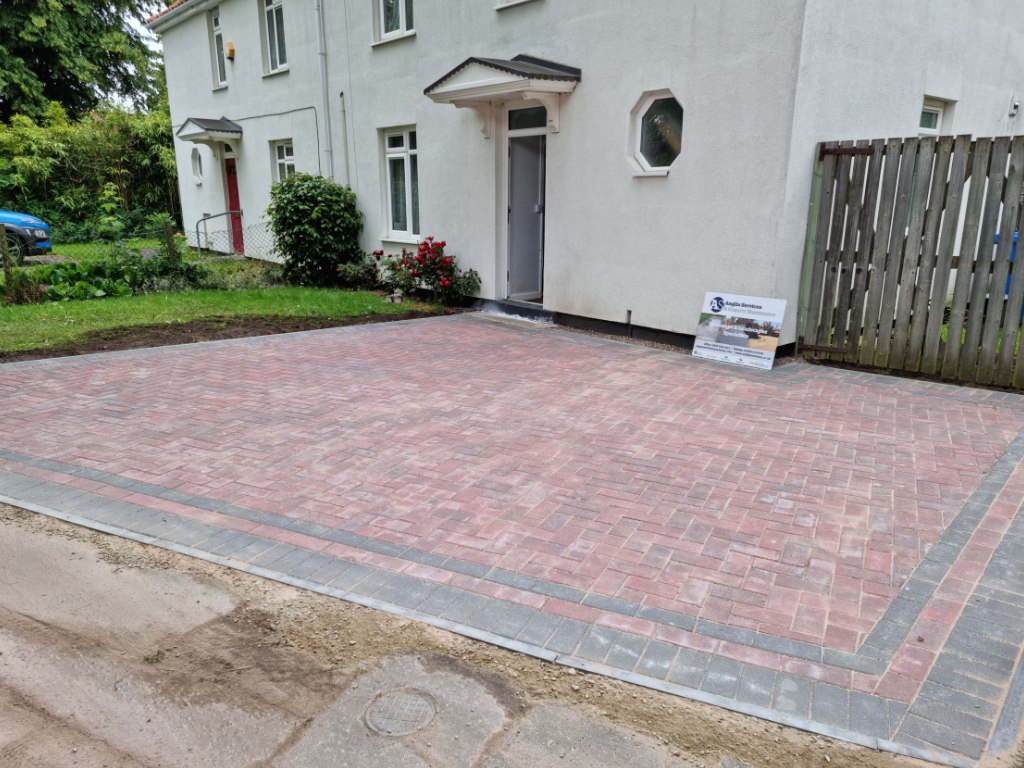
How Can Tarmac Improve a Muddy or Difficult Garden Access Route?
A garden access route needs to remain practical throughout the year. Where the existing surface consists of soil, worn grass or loosely compacted material, regular foot traffic and changing weather can quickly turn it into a muddy, uneven and inconvenient route. Areas used for moving bins, garden equipment or vehicles can become particularly difficult when the ground is wet.
Tarmac can provide a durable and clearly defined alternative. When installed over properly prepared foundations, it creates a firm, continuous surface that is considerably easier to use and maintain than an informal route across soft ground.
For property owners in Olney, Buckinghamshire, improving garden access with tarmac can make previously troublesome areas more dependable while creating a neater connection between different parts of the property.
Why Is Tarmac Suitable for Improving Garden Access?
Tarmac works particularly well where an access route needs a robust, practical surface capable of coping with regular use.
Unlike bare ground, the finished surface does not become churned up simply because it is wet. It also provides a consistent route without the loose material, ruts and irregularities commonly associated with frequently used garden tracks.
However, the performance of the finished tarmac depends heavily on the preparation underneath it. The existing ground needs to be assessed, suitable foundations established and appropriate levels created before surfacing takes place.
Why Garden Access Routes Become Muddy
Muddy access is usually the result of repeated traffic over ground that cannot provide consistent support.
Walking, wheelbarrows, bins, garden machinery and vehicles can gradually wear away grass and compact the soil. During wet conditions, the exposed ground can soften further and become increasingly uneven.
Once depressions form, they can collect water and make the situation worse.
Simply adding loose material over the top may not resolve the underlying problem if the ground remains unstable. A properly constructed tarmac route provides a more permanent surface supported by prepared layers beneath.
Tarmac Creates a Consistent All-Weather Surface
One of the main benefits of tarmac is its continuous finish.
Instead of moving between areas of grass, mud, loose gravel or worn soil, users have a clearly defined surface underfoot. This can make everyday movement through the garden considerably easier.
A continuous route is particularly useful where access is needed regularly rather than occasionally.
For example, a path used for taking bins between the property and collection point benefits from remaining firm during periods of prolonged rainfall. The same applies to access required for garden maintenance and equipment.
Proper Ground Preparation Is Essential
Tarmac should not simply be laid over muddy soil.
If the ground beneath the finished surface lacks adequate support, movement can eventually affect the tarmac above. Correct preparation is therefore fundamental to a dependable result.
The existing area needs to be assessed and unsuitable material dealt with appropriately. A suitable sub-base can then provide the stable foundation required for the finished surface.
Compaction is also important because the supporting layers need to perform consistently across the entire access route.
The quality of these hidden elements has a significant influence on how well the finished tarmac performs.
Tarmac Can Help Eliminate Ruts and Uneven Ground
Frequently used garden tracks can develop depressions and ruts, particularly where wheeled equipment or vehicles repeatedly follow the same route.
These irregularities can hold water and make access increasingly uncomfortable.
Preparing the area for tarmac provides an opportunity to correct unsuitable levels rather than simply following every existing depression in the ground.
Once the foundation has been properly established, the finished surface can provide a much smoother and more predictable route.
Drainage Needs to Be Planned Carefully
Replacing a muddy route with a hard surface changes how water interacts with that area.
Instead of soaking directly into exposed soil, rainfall needs to be managed through appropriate surface levels and surrounding drainage arrangements.
This makes the gradient and profile of the access route important.
The surface should be designed so that water does not simply collect in new low spots. Existing surroundings also need consideration because water should not be unintentionally directed towards areas where it could create another problem.
At Olney Driveways & Patios, we consider levels and water movement as part of preparing a tarmac surface rather than treating drainage as an afterthought.
A Defined Route Can Protect the Rest of the Garden
Where there is no obvious access path, people naturally take slightly different routes across the garden.
Over time, this can create a wider area of worn grass and compacted soil rather than one clearly defined track.
Installing a dedicated tarmac route concentrates regular movement onto a surface designed for it.
This can help protect neighbouring lawn and planted areas from unnecessary traffic while giving the garden a clearer structure.
Tarmac Can Make Moving Garden Equipment Easier
Soft and uneven ground can make simple garden tasks unnecessarily difficult.
Wheelbarrows, lawn equipment and other wheeled items require considerably more effort to move across rutted or muddy surfaces. Small wheels can sink into soft ground, while uneven sections can make loads less stable.
A properly surfaced route provides a firm base for moving equipment between different parts of the property.
This can be especially useful where the access route connects storage areas, garden buildings or regularly maintained sections of the garden.
It Can Improve Bin Access
An everyday practical consideration that is sometimes overlooked is moving household bins.
A narrow or muddy route can become awkward during wet weather, particularly when heavy bins need to be moved regularly.
Creating a firm tarmac path can make this journey considerably more straightforward.
Because the surface is continuous and relatively smooth, wheels can travel more easily than they would across soft grass, loose material or uneven ground.
Tarmac Can Be Suitable for Wider Access Routes
Not every garden access route is simply a pedestrian path.
Some properties have wider side or rear access that needs to accommodate garden machinery or occasional vehicle movements. In these situations, the construction requirements need to reflect the expected use.
The foundation of the route is particularly important because heavier loads place greater demands on the layers beneath the tarmac.
A professional assessment can determine how the area should be prepared based on the type of traffic it is expected to receive.
Edge Support Helps Maintain a Defined Surface
The edges of a tarmac route contribute to both appearance and performance.
Without appropriate consideration of the boundaries, adjoining soil, lawn or planting can gradually encroach onto the surface. Edge areas can also experience greater stress where traffic regularly passes close to them.
Suitable edging creates a clean transition between the tarmac and surrounding landscaping.
This can make the finished route look intentionally incorporated into the garden rather than simply added across an existing track.
Tarmac Can Work Alongside Existing Landscaping
A practical access route does not need to dominate the garden.
Its width, position and alignment can be planned around existing features so that the surface provides the required access while fitting naturally within the outdoor space.
Where appropriate, planting, lawn or other landscaping can remain alongside the route, providing contrast against the tarmac.
The aim should be to create the surface that is genuinely needed rather than unnecessarily converting large areas of the garden into hard landscaping.
Route Width Should Reflect Its Purpose
A successful access route needs enough width for its intended use.
A pedestrian path has different requirements from an area regularly used for wheelbarrows, machinery or wider equipment. Creating a route that is too narrow can reduce its practicality, while an unnecessarily wide surface can occupy garden space without providing additional benefit.
Planning how the route will actually be used helps establish sensible dimensions.
This is one reason professional assessment is useful before construction begins.
Good Levels Can Improve Everyday Usability
Garden access routes sometimes cross sloping or irregular ground.
Although tarmac can create a smooth surface, the underlying profile still needs careful planning. Sudden changes in level can make wheeled access awkward, while poorly formed low areas can encourage water to collect.
Preparing the ground provides an opportunity to create more consistent levels where site conditions allow.
The result can be an access route that is not only cleaner but also more comfortable and practical to use.
Maintenance Becomes More Straightforward
Bare soil and worn grass routes can require repeated attention.
Muddy sections may need filling, grass can become damaged and loose material may migrate into surrounding areas. Persistent ruts can also return when the underlying ground remains weak.
A properly installed tarmac surface removes many of these routine difficulties.
General maintenance can focus on keeping the route clear and monitoring its condition rather than continually restoring a soft or loose surface after poor weather.
Why Professional Installation Matters
The visible tarmac is only the final part of the construction.
A dependable access route begins with understanding the ground, expected use, drainage requirements and appropriate finished levels. Preparation and compaction then provide the foundation needed to support the surface.
Simply applying tarmac to an inadequately prepared route can leave underlying weaknesses unresolved.
At Olney Driveways & Patios, we consider the complete construction of the access area so that the finished surface is supported appropriately and suited to how the property owner intends to use it.
Planning the Route Before Work Begins
Before creating a new tarmac access route, it is useful to consider exactly where people and equipment naturally need to travel.
The most effective route is not necessarily the one that follows the existing muddy track. That track may have developed simply because it was the only available option.
Planning provides an opportunity to consider whether a slightly different alignment could improve access, connect important areas more effectively or integrate better with the garden.
For homeowners in Olney, Buckinghamshire, this can turn an inconvenient route into a purposeful part of the overall outdoor layout.
Conclusion
Tarmac can significantly improve a muddy or difficult garden access route by creating a firm, continuous and dependable surface. It can reduce problems caused by soft ground, ruts and worn grass while making everyday movement of people, bins and garden equipment considerably easier.
The quality of the result depends on more than the surface itself. Ground preparation, sub-base construction, compaction, drainage, levels and edge support all contribute to long-term performance.
If you have a muddy, uneven or difficult garden access route at your property in Olney, Buckinghamshire, contact Olney Driveways & Patios. We can assess the existing ground and discuss an appropriate tarmac solution designed around the practical needs of your outdoor space.
Call us on: 01234 676 689
Click here to find out more about Olney Driveways & Patios
Click here to complete our contact form and see how we can help with your driveway needs.